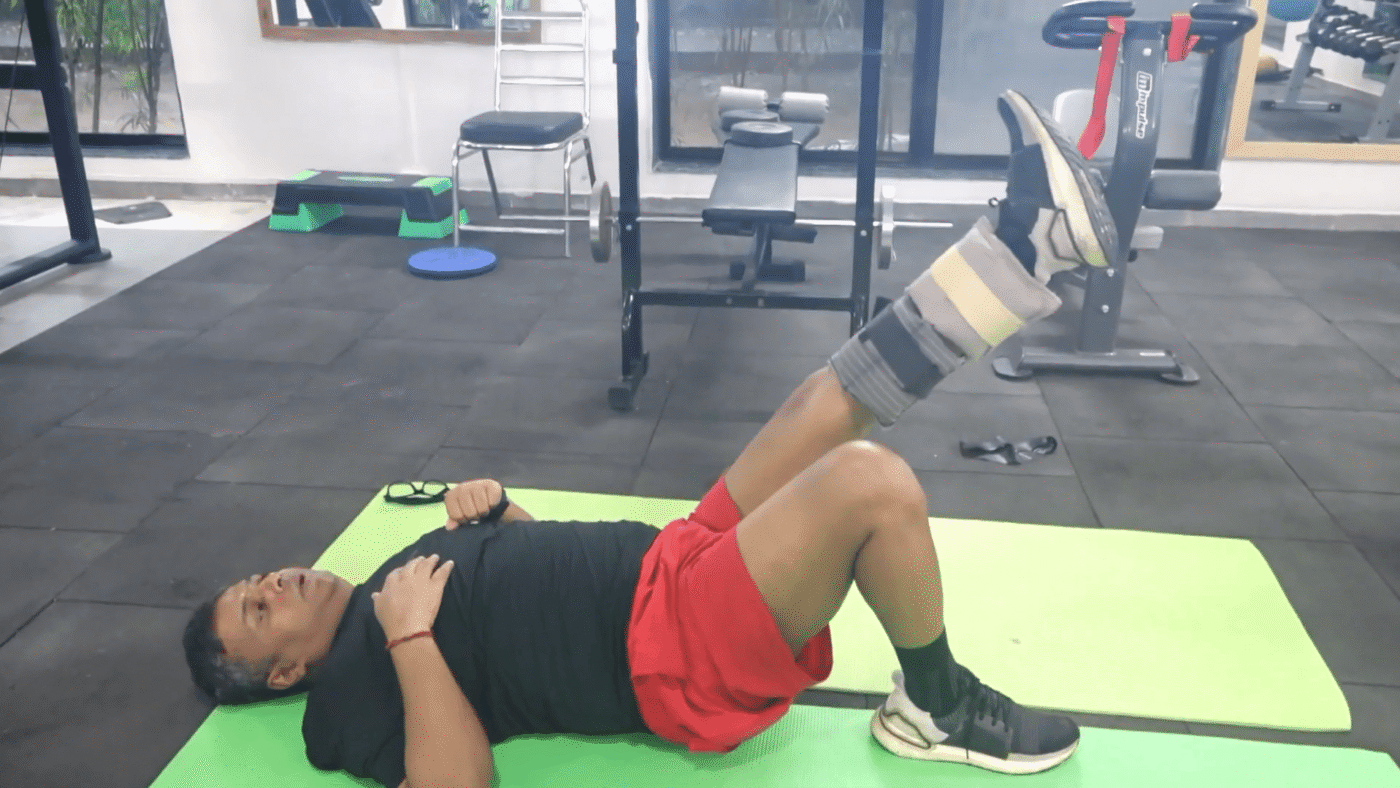
When people hear the word “exercise,” they often imagine intense workouts, expensive gym memberships, or strict fitness routines. This misconception is one of the biggest reasons many individuals avoid getting started. But the truth is simple: your body doesn’t need extreme workouts—it just needs daily movement.
Daily movement is about staying active in a natural, enjoyable way. You don’t have to lift heavy weights or run marathons to experience the benefits. Even small, consistent physical activities can dramatically improve your health, mood, and overall quality of life. Movement is your body’s built-in energy booster and stress reliever—and it’s far easier to embrace than you might think.
Why Movement Matters More Than “Working Out”
Your body is designed to move. Every joint, muscle, and organ functions better when you’re active. But in modern life—filled with long hours of sitting, screen time, commuting, and desk work—most people don’t move nearly enough.
Daily movement helps counteract this sedentary lifestyle in powerful ways:
- It boosts circulation
- Strengthens muscles and bones
- Improves posture
- Enhances flexibility
- Supports metabolism
- Reduces stiffness and fatigue
The best part? You don’t need a complicated workout plan to enjoy these benefits. A little movement every day goes a long way.
How Daily Movement Impacts Your Body
1. Better Energy Levels
Ever notice how you feel sluggish after sitting too long? That’s because lack of movement slows your circulation and lowers your oxygen levels.
Even simple activities like walking, stretching, or climbing stairs increase your blood flow, helping you feel more awake and energized. Daily movement is a natural, side-effect-free energy booster.
2. Stronger Muscles and Bones
You don’t need heavy weights to build strength. Your own body weight is enough to keep your muscles and bones healthy.
Activities like walking, yoga, dancing, or even gardening help maintain muscle tone and bone density—which is crucial as you age.
Regular movement prevents conditions like osteoporosis, back pain, and muscle stiffness.
3. Improved Heart Health
Movement keeps your heart strong and your blood vessels healthy. It lowers the risk of:
- High blood pressure
- Stroke
- Cholesterol imbalance
- Heart disease
Even a brisk 20-minute walk daily can have a significant impact on your cardiovascular health.
4. Better Digestive Health
Movement stimulates your digestive system. It helps prevent bloating, constipation, and sluggish digestion. A simple walk after meals can improve nutrient absorption and gut function.
5. Lower Risk of Chronic Diseases
Consistent movement reduces your risk of diabetes, obesity, joint problems, and even certain cancers. It also improves your body’s ability to use insulin effectively, helping manage blood sugar levels.
Movement Benefits Your Mind as Much as Your Body
Daily movement doesn’t only keep you physically fit—it also supports your mental and emotional well-being.
1. Natural Stress Relief
Movement triggers the release of endorphins—your brain’s “feel-good” chemicals. These help reduce stress, anxiety, and tension.
Even gentle activities like stretching or walking can calm your mind and lift your mood.
2. Better Focus and Productivity
Moving throughout the day keeps your brain active. Studies show that people who move regularly:
- Think sharper
- Solve problems better
- Stay focused longer
- Make decisions more clearly
Daily movement improves brain function much like charging a battery.
3. Improved Sleep Quality
Physical activity signals your body to rest and recover at night. People who move regularly fall asleep faster and enjoy deeper, more restorative sleep.
4. Boosts Confidence and Self-Esteem
Movement makes you feel stronger, more capable, and more in control. Over time, this builds confidence and improves your relationship with your body.
Exercise Doesn’t Need to Be Complicated—Here’s Why
Many people avoid exercise because they feel overwhelmed. But movement doesn’t have to be intense or time-consuming. It simply has to be consistent.
Small daily habits build long-term results.
Here’s what “movement” can look like:
- A morning walk
- Taking the stairs instead of the elevator
- Light stretching during work breaks
- Dancing while cooking
- Playing with your kids or pets
- A short yoga session
- Decluttering or cleaning the house
- Cycling to a nearby store
Every bit counts. What matters is that you keep your body active.
Simple Daily Movement Ideas Anyone Can Do
Here are easy, practical ways to add movement to your day without feeling overwhelmed:
✔ Walk more
Aim for 20–30 minutes a day. You can break it into smaller chunks if needed.
✔ Stretch your body
A 5-minute stretch in the morning and night can ease stiffness.
✔ Use your breaks wisely
Instead of scrolling your phone, stand up and walk around.
✔ Try desk exercises
Rotate your shoulders, stretch your back, or do leg lifts while sitting.
✔ Do household chores
Cleaning, organizing, sweeping, or gardening all count as movement.
✔ Set a movement reminder
Every hour, stand up and move for at least one minute.
✔ Try low-impact activities
Yoga, tai chi, swimming, or cycling are great for beginners.
The Power of Consistency Over Intensity
You don’t have to push yourself to exhaustion. What matters is showing up every day, even in small ways. Just 10 minutes of daily movement can:
- Improve your mood
- Ease joint stiffness
- Increase circulation
- Reduce stress
- Boost energy
When movement is simple, it becomes sustainable. And when it becomes a habit, it becomes life-changing.
Final Thoughts: Movement Is the Medicine Your Body Craves
Daily movement is a gift you give your body and mind. It keeps you strong, energized, focused, and emotionally balanced. The beauty of movement is its simplicity—no fancy equipment, no strict schedules, no pressure.
All your body needs is consistency.
Remember:
You don’t need to be an athlete.
You don’t need complicated workouts.
You just need to move—a little bit, every day.
By embracing daily movement, you unlock a powerful, natural superpower that supports your health today and protects it for the future.
Add a Comment